


Why We Chose Canadian Fruit
The Batch That Changed Everything
Two trays went into the freeze-dryer. When the door opened, one of them changed the direction of Origo.
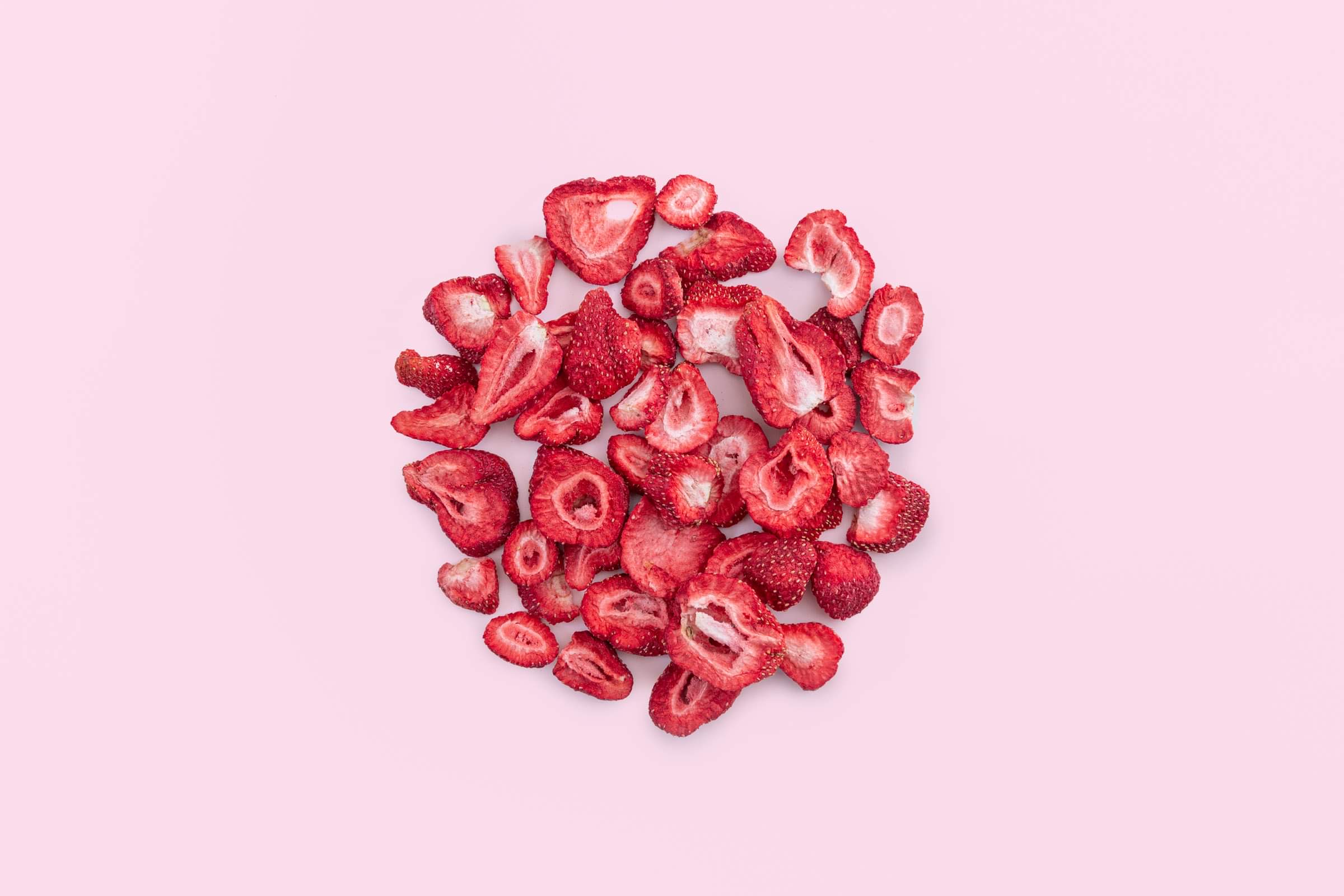
Late one summer afternoon, the freeze-dryer finished its run. We opened the door and pulled out two trays.
One held the imported fruit we had been using from the beginning.
The other held strawberries grown closer to home.
The colour stopped us first.
We had started with the easy answer.
When we first experimented with freeze-drying, imported fruit was available and familiar. It gave us a practical place to begin. We wanted to make fruit easier to carry, keep more of a seasonal harvest from being wasted and create something our own family would actually reach for.
But each batch left us with the same question: was the freeze-dryer the whole story—or did everything depend on the fruit that went into it?
The second tray answered us.
The local strawberries came out brighter. When we opened the bag, the aroma felt fuller. The flavour had more depth and more of the character we remembered from summer fruit.
It was not a laboratory study, and it did not prove that every imported berry would behave the same way. It was our own side-by-side observation—and we repeated it. The result kept pointing in the same direction.
Freeze-drying had not created the difference. It had made the starting fruit impossible to ignore.
The growers showed us what distance hides.
Fruit that travels a long way has another job: it has to survive packing, transportation, warehousing and the store shelf. That does not make it bad fruit. It means shelf life and the journey have to be part of the decision.
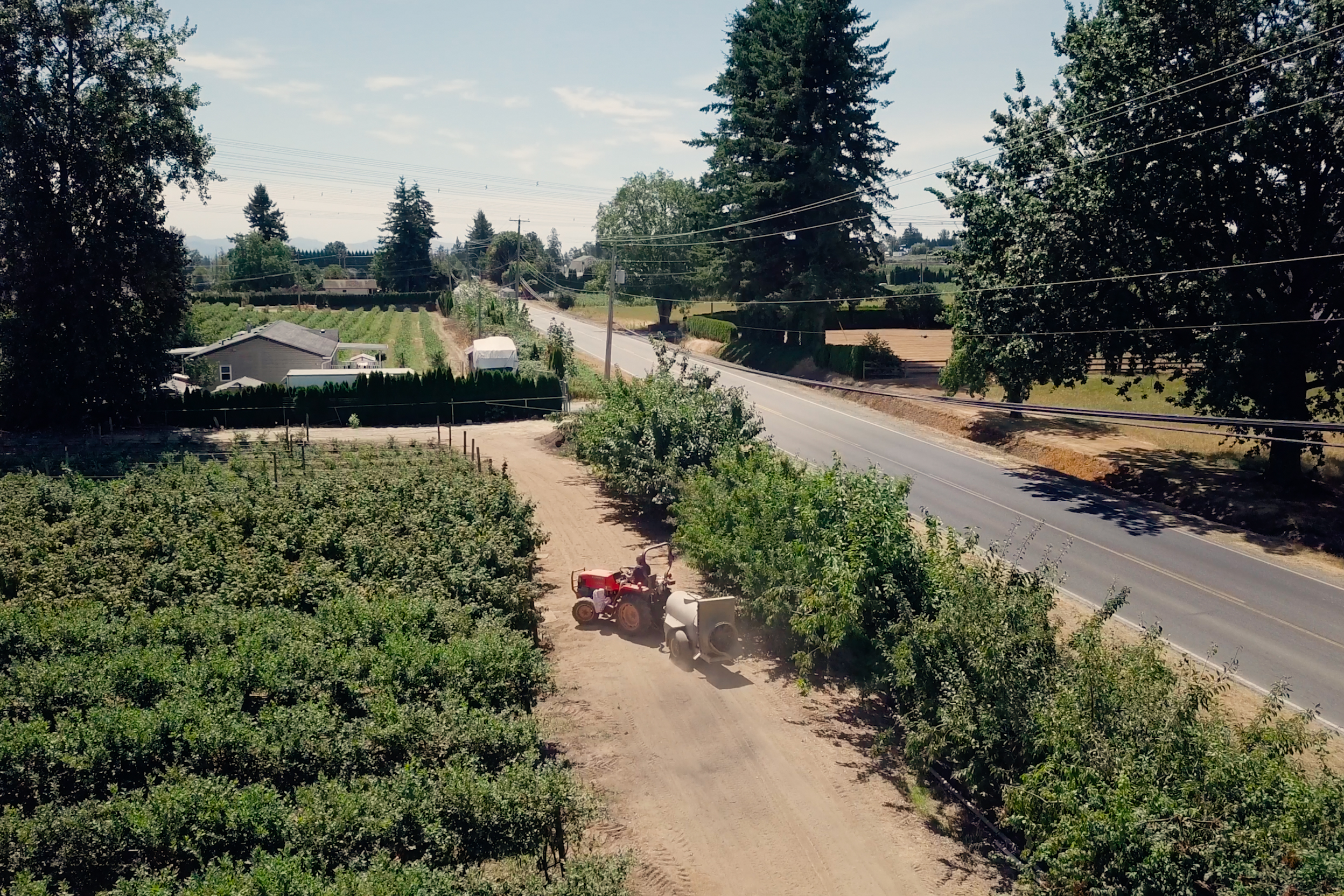
Working closer to growers gave us a different possibility. We could ask when the fruit was picked, choose it in season and process it while the colour, aroma and flavour we cared about were still present.
So we made a simple plan.
Three decisions would guide every batch.
- Start with Canadian fruit—from British Columbia whenever the harvest allows.
- Stay close to the grower—so we understand the season, the fruit and the people behind it.
- Keep the finished food clear—one fruit per pouch, with its origin explained honestly.
Most of our fruit now comes from British Columbia: strawberries, blueberries, raspberries and apples. Our haskap comes from Quebec. “Canadian-grown” is the larger promise; naming the province is how we keep it specific.
Then came the test that mattered.
At the farmers market, we watched a child push away a fresh strawberry. A few minutes later, we offered the same fruit in a light, crisp form.
The small hand came back for another piece.
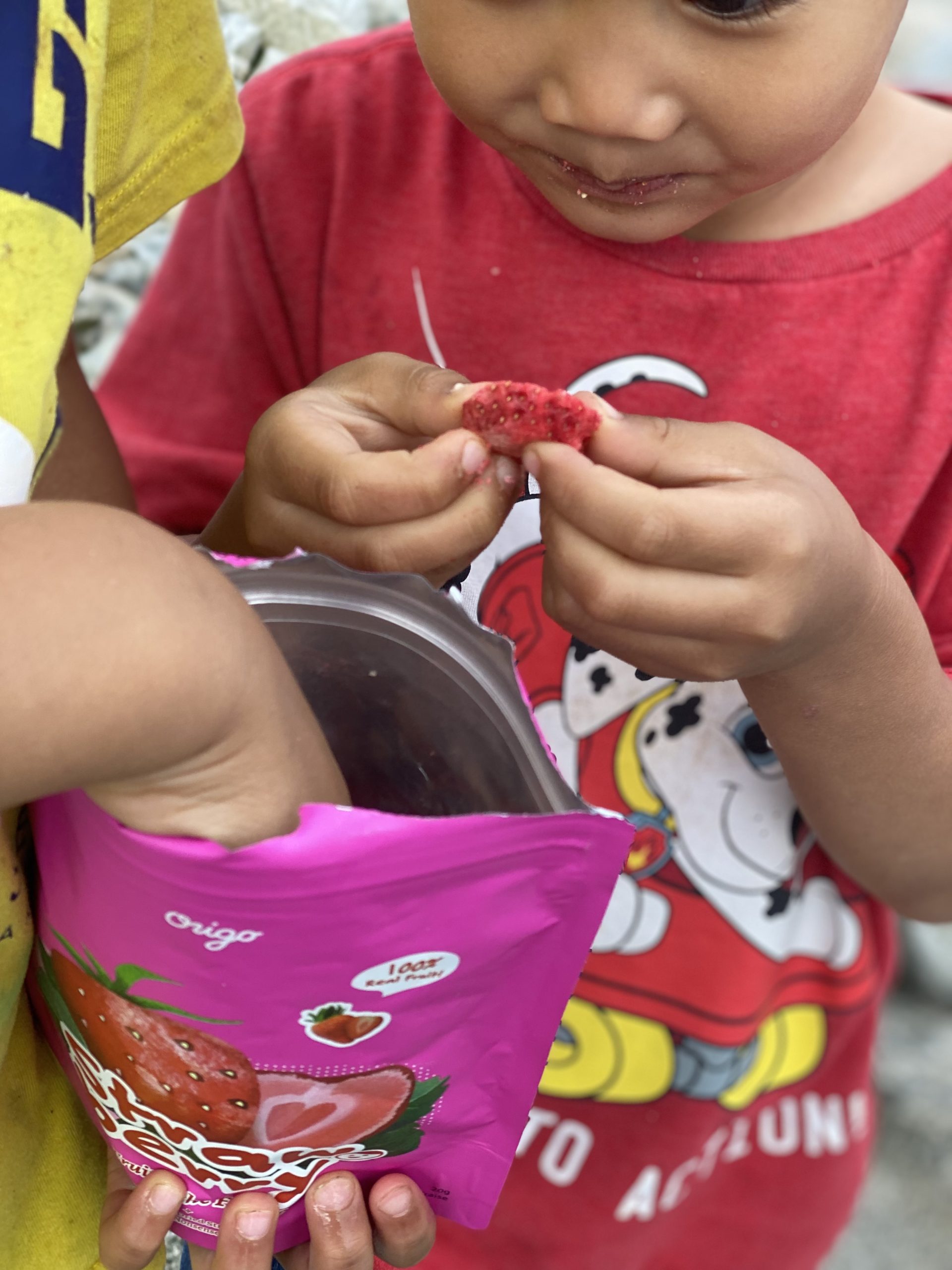
No sugar, flavouring or colour had been added. The water was gone. The fruit was suddenly easier to hold, easier to pack—and, for that child, easier to enjoy.
The fruit had not become something else. It had become easier to meet.
We knew what failure would look like.
If the flavour of the starting fruit disappeared before it reached the freeze-dryer, we could not put it back. If a parent still had to guess what “local” meant, we had not made the choice clearer. And if we turned one kitchen comparison into a sweeping health claim, we would lose the trust we were trying to earn.
What this story does—and does not—prove
Brighter colour, fuller aroma and deeper flavour were our repeated observations. Ripeness also changes a fruit’s chemical profile, but comparing exact nutrients, polyphenols or OPCs requires batch-specific laboratory testing. We do not use colour alone as proof of nutrition.
Success looks like a parent who does not have to guess.
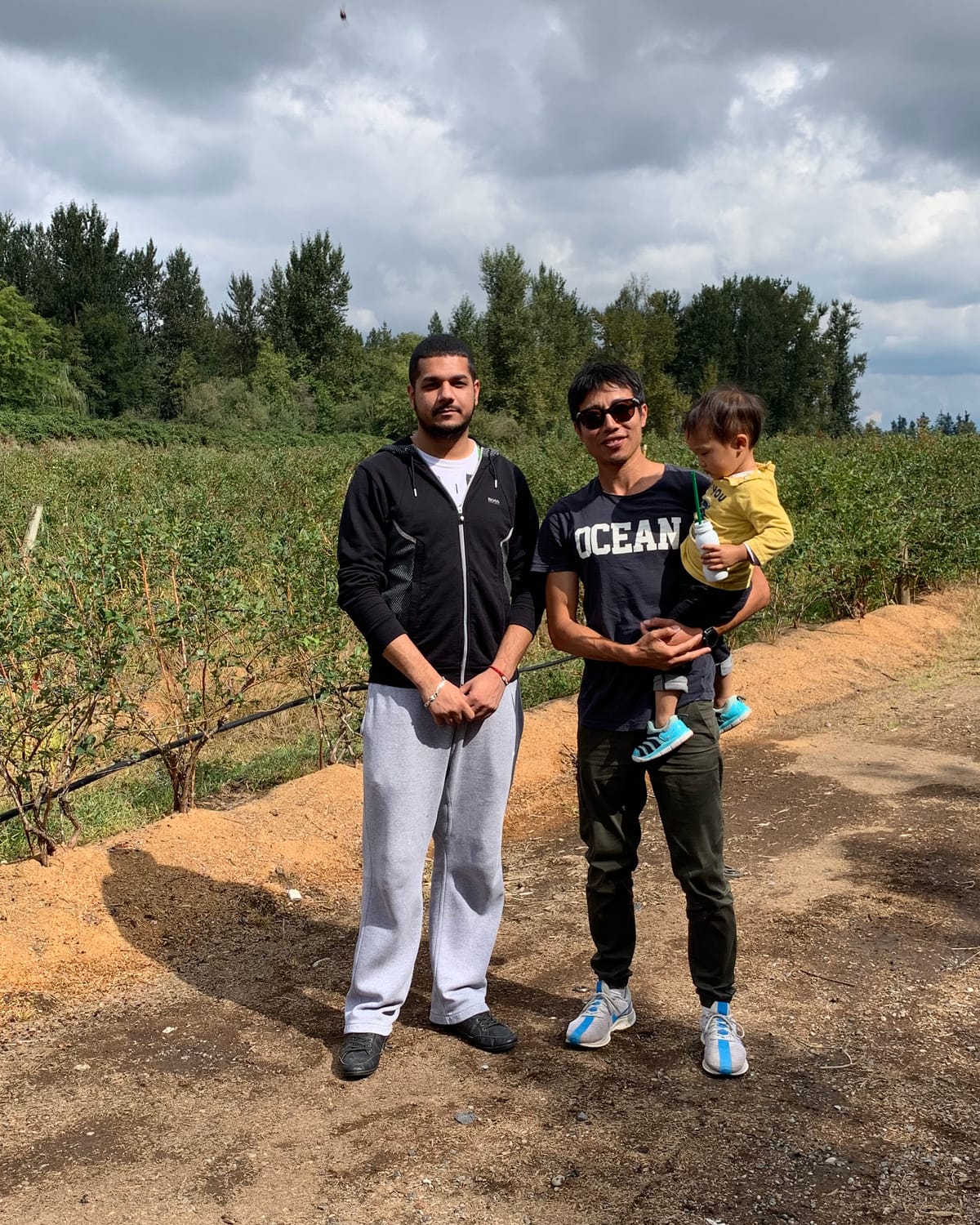
For us, success is not simply a brighter strawberry. It is a short ingredient list, an origin we can name and a product that fits into the morning, lunchbox or ride home a family actually has.
That first local batch gave Origo a direction. The growers gave us a way to follow it. Now our job is to make what we learned visible—so you can decide whether it belongs in your family’s day.
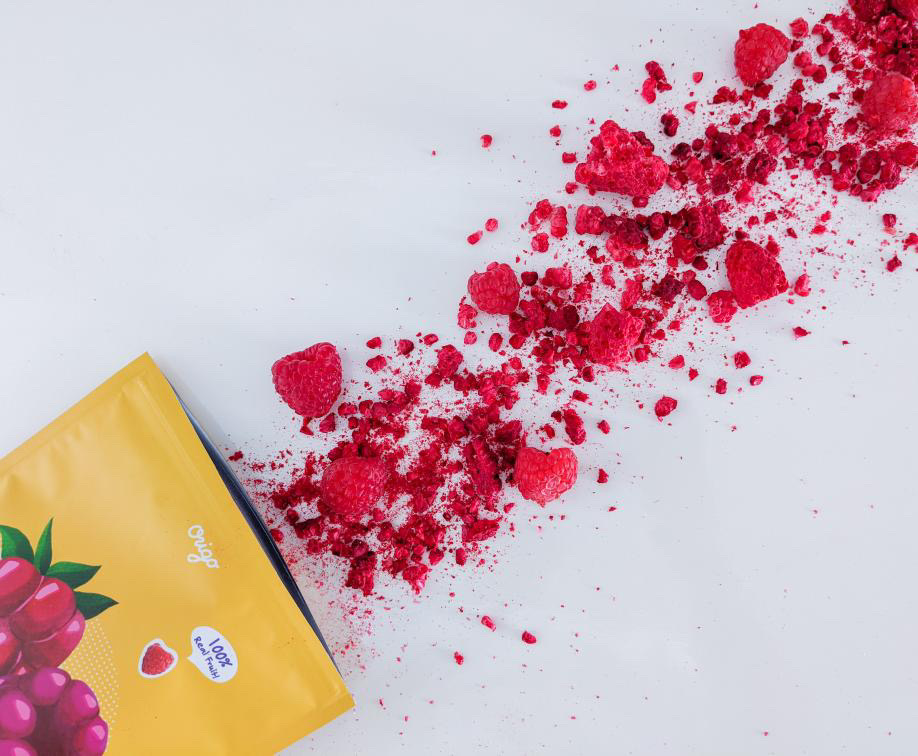
Turn the pouch over.
Start with the ingredient. Check where it grew. Then choose what works for your family. You know your family best. Our job is to make the food easier to understand—and easier to trust.
