


Family Choices
When the Lunchbox Comes Home Full: How to Stop Guessing and Start Understanding
When the same food gets eaten on the ride home, a full lunchbox may be telling you more about timing and setting than taste.
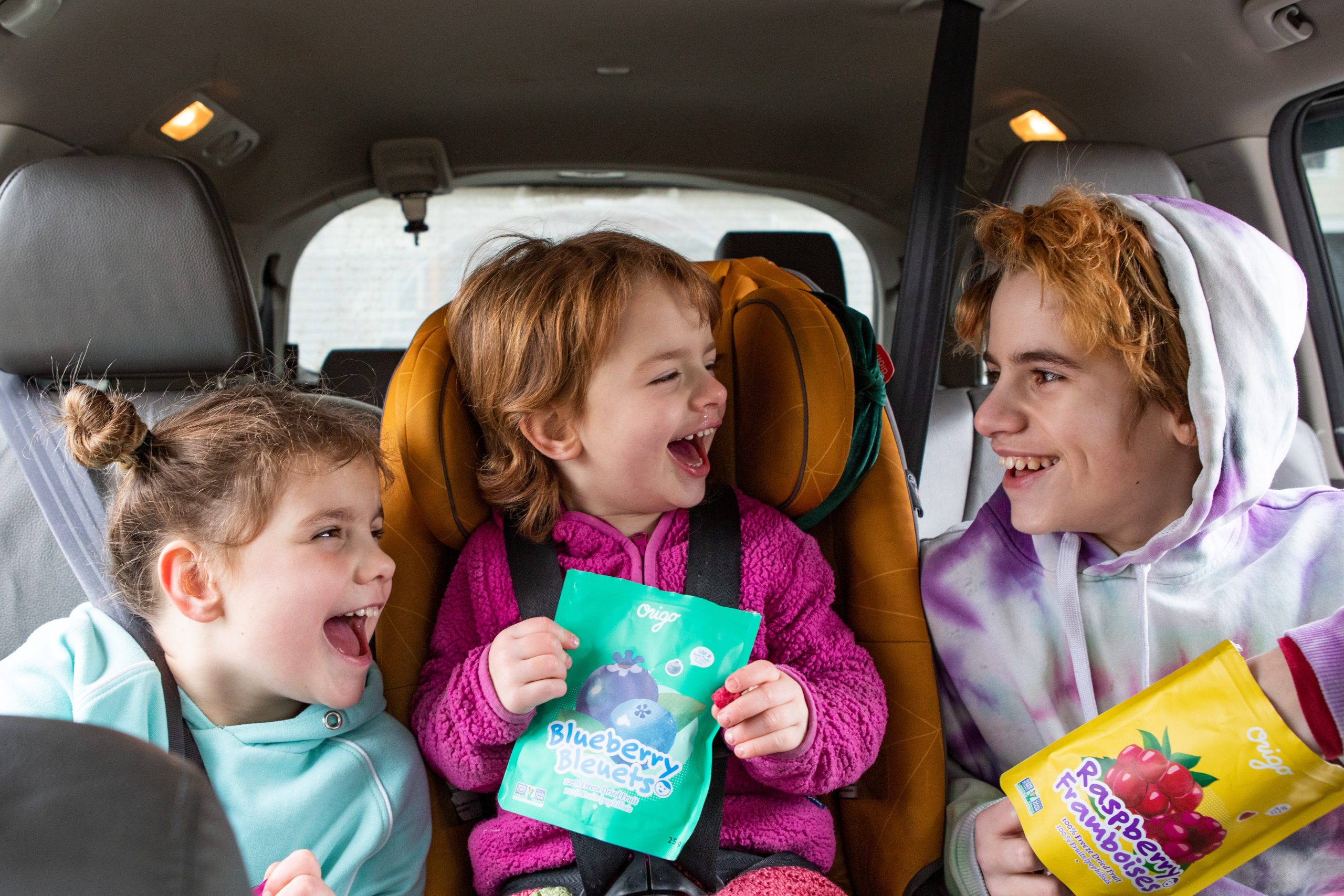
You open the lunchbox after school, and almost everything is still there.
The first time, you let it go. The second time, you start wondering. By the third, it can start to feel personal. Did I pack the wrong thing? Do they not like what I made? Should I try something completely different tomorrow?
As parents, we don’t just see uneaten food. We see the time spent washing, cutting, and packing—and the hope that our child would feel cared for during the day. It is so easy to treat a full lunchbox as a report card on our parenting.
But an untouched lunchbox doesn’t always mean the food was the problem.
What the Ride Home Told Us
At Origo, we understand this frustration firsthand. Our family’s drive home from school takes more than 40 minutes. For a long time, we kept seeing carefully packed food come back completely ignored.
But then we noticed something: the boys would get into the car and immediately open those very same lunchboxes. The food they had ignored at recess suddenly became the first thing they reached for.
That changed the question for us. Instead of asking, “Why didn’t you eat this?” we just started watching and listening.
Over time, we realized their attention at recess was simply somewhere else. Their friends were together, and they wanted to play. Eating had to fit around that moment. They weren’t rejecting our food; they were choosing their moment.
Sometimes, the Food Changes Too
We also learned that format matters. Fresh fruit is wonderful, but it doesn’t always travel through a long school day the way we hope. Strawberries washed at breakfast can sit inside a closed lunchbox for hours. By the time a child finally reaches for them, they may be wet, soft, or soggy.
That doesn’t make fresh fruit a bad choice. It just means the environment changes it.
This realization is a big part of why we thoughtfully explore dry, crisp options at Origo, like our freeze-dried Fruit and Froyo pouches. We wanted to offer another option for moments like these—something dry, crisp and easy to grab when hunger finally strikes. In our family, if a pouch was opened at school, it could be shared with classmates. On other days, it waited for the ride home.
At Origo, our philosophy is deeply rooted in Kyosei—living and working together for the common good. We believe in shared success. We aren’t here just to sell snacks; we want to partner with parents to solve real daily challenges in a way that benefits everyone. When children enjoy their food on their own terms, parents gain peace of mind, and we fulfill our purpose of honestly serving your family.
We love seeing this shared success unfold naturally. One of our boys even found his own way to use our Froyo: he dropped pieces into his water bottle, shook it, and made a yogurt-flavoured drink. It wasn’t a clever marketing system we designed; it was simply him finding what worked for him.
Three Questions Before You Repack Tomorrow
If the lunchbox comes home full again, try asking these three questions. Health Canada similarly encourages parents to ask when children eat each item and why some food comes home uneaten. Limited eating time, packaging and temperature can all be part of the answer.
1. When did you feel like eating?
The answer may be recess, lunch, the car ride, or the moment they walk through the door. Knowing when hunger catches up is far more useful than assuming the food itself was rejected.
2. What was easy to eat in that moment?
Think about whether it could be opened, held, and eaten without taking your child away from everything else happening around them.
3. What still looked and tasted good later?
Notice what changed after several hours in the lunchbox. Temperature, moisture, and texture can matter just as much as what you packed.
The Lunchbox Is Information, Not a Report Card
We all hope to pick up a lunchbox that feels lighter than it did in the morning. But we’ve learned not to use an empty lunchbox as the only sign of success—and not to treat a full one as proof of failure.
The lunchbox is simply a conversation starter. Ask again. Watch what happens. Change one small thing at a time.
One Small Thing to Try Tomorrow
Instead of beginning with, “Why didn’t you eat?”, try asking:
When did you wish you had something quick to eat today?
The answer might tell you more than the leftovers ever could.
You know your family best. At Origo, we are just here to help you choose with confidence, so we can all succeed together.
Fruit and Froyo are different products. Froyo is made with yogurt and contains milk. Check the current package and follow your school’s food and allergen policies.
